How to Read Any Tarot Deck
Tarot has this delicious air of mystery about it—all those enigmatic images, those whispered meanings, that sense of peering behind the cosmic curtain. But here's thething: once you know a few fundamentals, you can pick up any deck, whether it's a dog-eared Rider-Waite-Smith from your grandmother's attic or some trendy indie deck, and read it! Maybe not like you've known that deck all your life, but definitely with some accuracy.
You don't need to memorize seventy-eight flash cards. That way lies madness.
Becoming fluent in Tarot isn't about cramming seventy-eight separate definitions into your brain. You’re not studying for a mystical exam. It’s just framework+intuition.
1. Every tarot deck splits into two kingdoms:
Major Arcana: Twenty-two cards playing the role of the Greek chorus in your life's drama. When these show up, the universe is tapping you on the shoulder.
Minor Arcana: Fifty-six cards handling the details —where to have morning coffee, who is thinking what in workplace melodramas, the answer to "should I text them back?"
2. The Minor Arcana organizes itself into four suits:
Wands: All fire and forward motion—creativity, passion, the urge to do something
Cups: The water signs of the deck—emotions, love, feelings, receptiveness
Swords: Air and mental gymnastics—thoughts, words, arguments, negotiations
Pentacles: Earth beneath your feet—money, work, tangible results, the satisfaction of a job well done
3. Each suit comes with its own royal court, these can be people in your life, aspects of yourself, or energies asking for your attention.
Page (the enthusiastic intern)
Knight (the passionate crusader)
Queen (the masterful integrator)
King (the seasoned authority)
4. Add some basic numerology:
1 (Ace): Some thing new, "And so it begins..."
2: Balance, partnerships, "it takes two"
3: Collaboration, relationship triangles, “we’re working here!”
4: Stability, foundation, "let's build something solid"
5: Disruption, conflict, growing pains, “this could get tricky”
6: Harmony restored, progress, "we're getting somewhere"
7: Reflection, solitude, "let me think about this"
8: Momentum, mastery, power moves, “I got this”
9: Intensity, the penultimate moment, "almost there"
10: Completion, culmination, "that's a wrap"
Card rank + number + suit + intuition
Once this structure clicks, you're essentially fluent in Tarot—even if someone hands you a deck illustrated entirely in Victorian cats .Deck makers may use different emblems for each suit and give different names to the characters, but they follow the structure above or they aren’t tarot.
See the magician cards below:
Major arcana=big life theme
Number 1 = starting something
Suit = All of them! The magician has all the tools (swords, cups, wands, pentacles)
The interpretation would be “Something big is starting and you have all the tools you need.”
OK, you may say, but all the decks look different! Yep. Here is where your intuition comes in. Look at the colors and the character and what’s happening on the specific card and feel your way into the scene after the you’ve done the fundamental interpretation.
Take a look below. Imagie you’re inside each card. How does each one feel?
The Philly deck might feel groovy, so perhaps someone is starting something they feel easy good about and can handle easily; the Divine Deco deck feels formal and showy so someone may be starting something they are concerned is a bit superficial or dishonest.
Of course, there are many elements we haven’t mentioned here, but this is your kickstart. Pick up any deck and have fun!
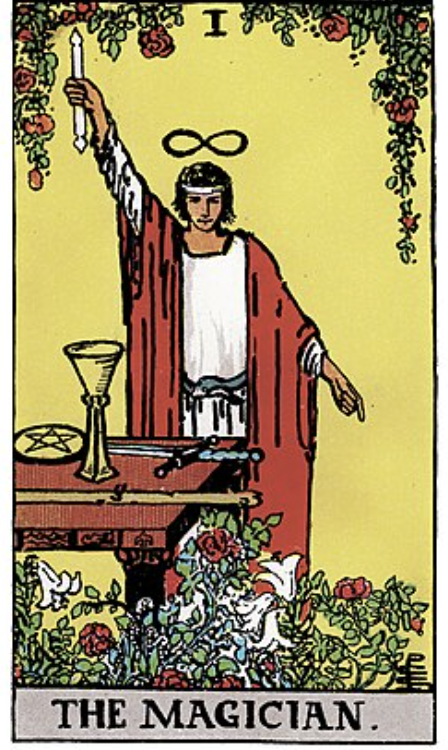
The RIder-Waite-Smith deck
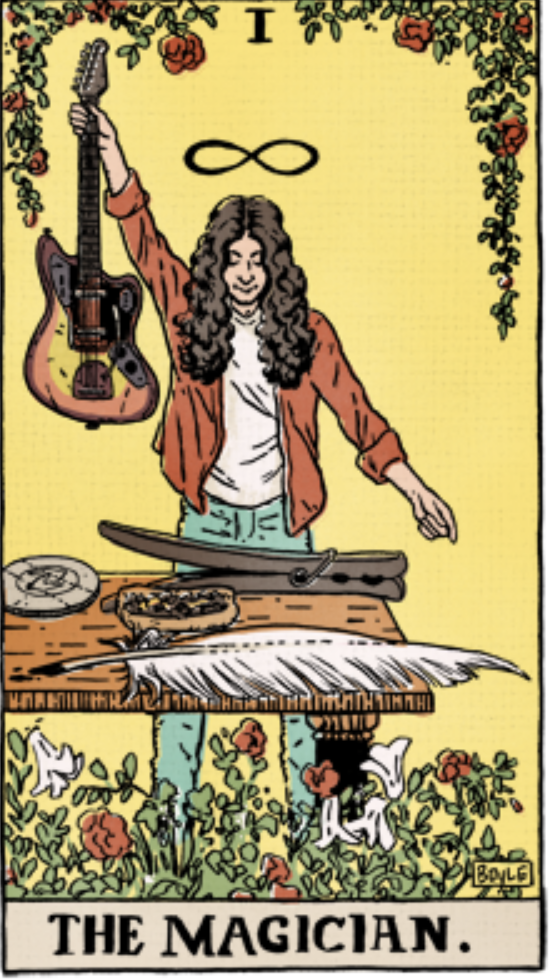
The Philly deck
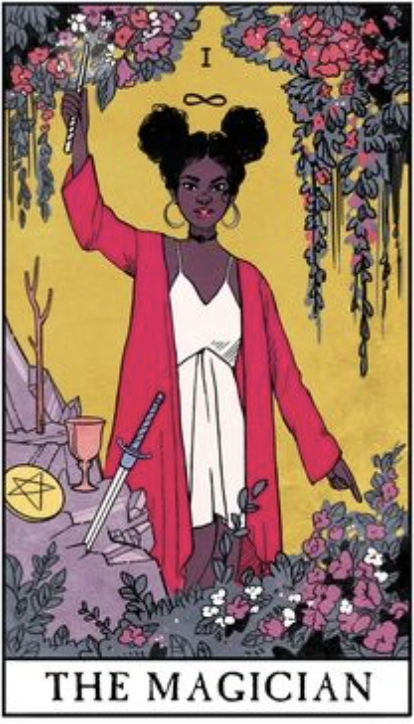
The Modern Witch deck
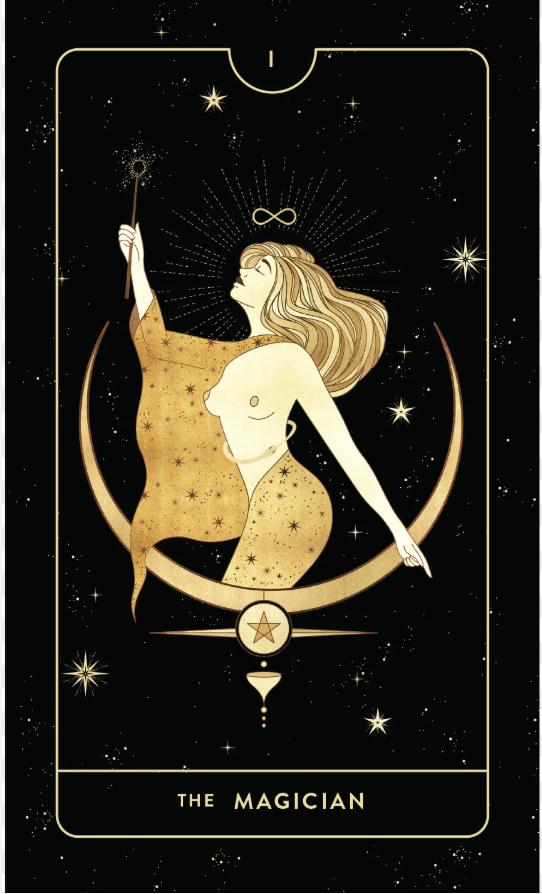
The Cocorrina deck
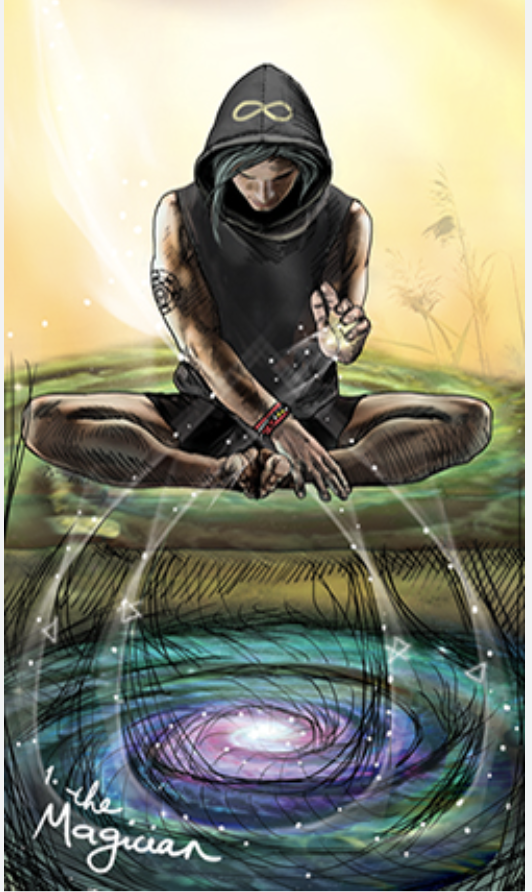
The Light Seers deck
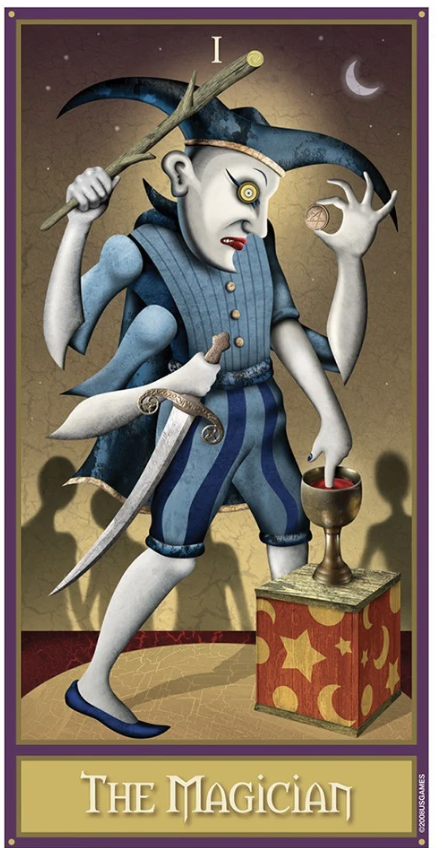
The Deviant Moon deck
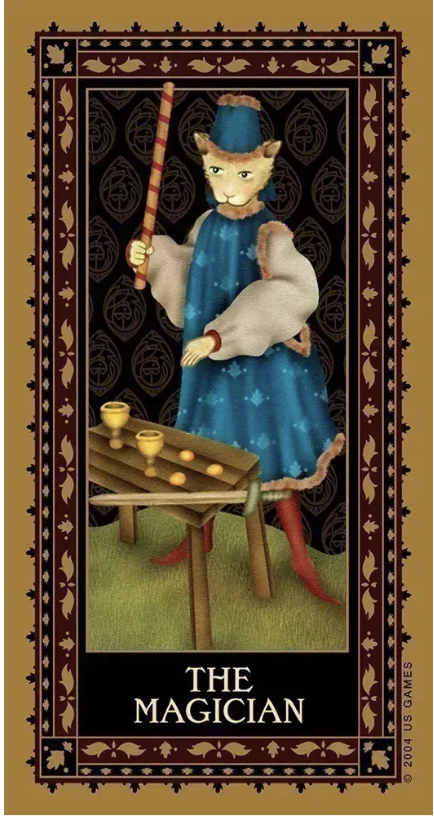
The Medieval Cat deck
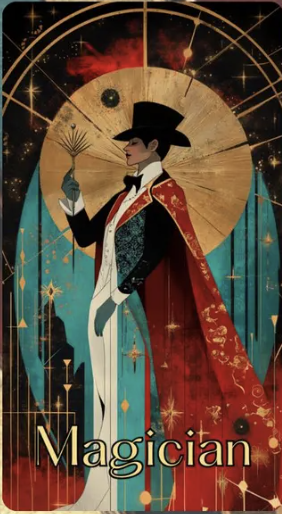
The Divine Deco deck
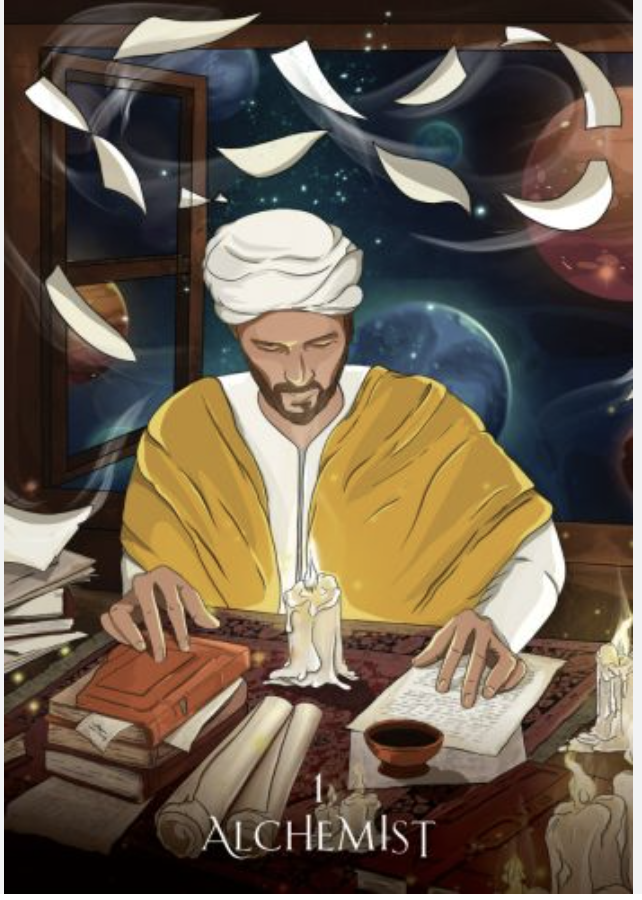
The Sufi deck